Do you want to buy a home in the Washington, DC area (DMV)? Are you thinking about selling? Or just curious about the price of housing? The big question everyone’s asking: Will home prices drop? Let’s dive into the 2026 housing market forecast—what’s driving the DMV real estate scene, what experts predict, and how you can get ready to buy or sell.
What Affects Home Prices in the DMV?
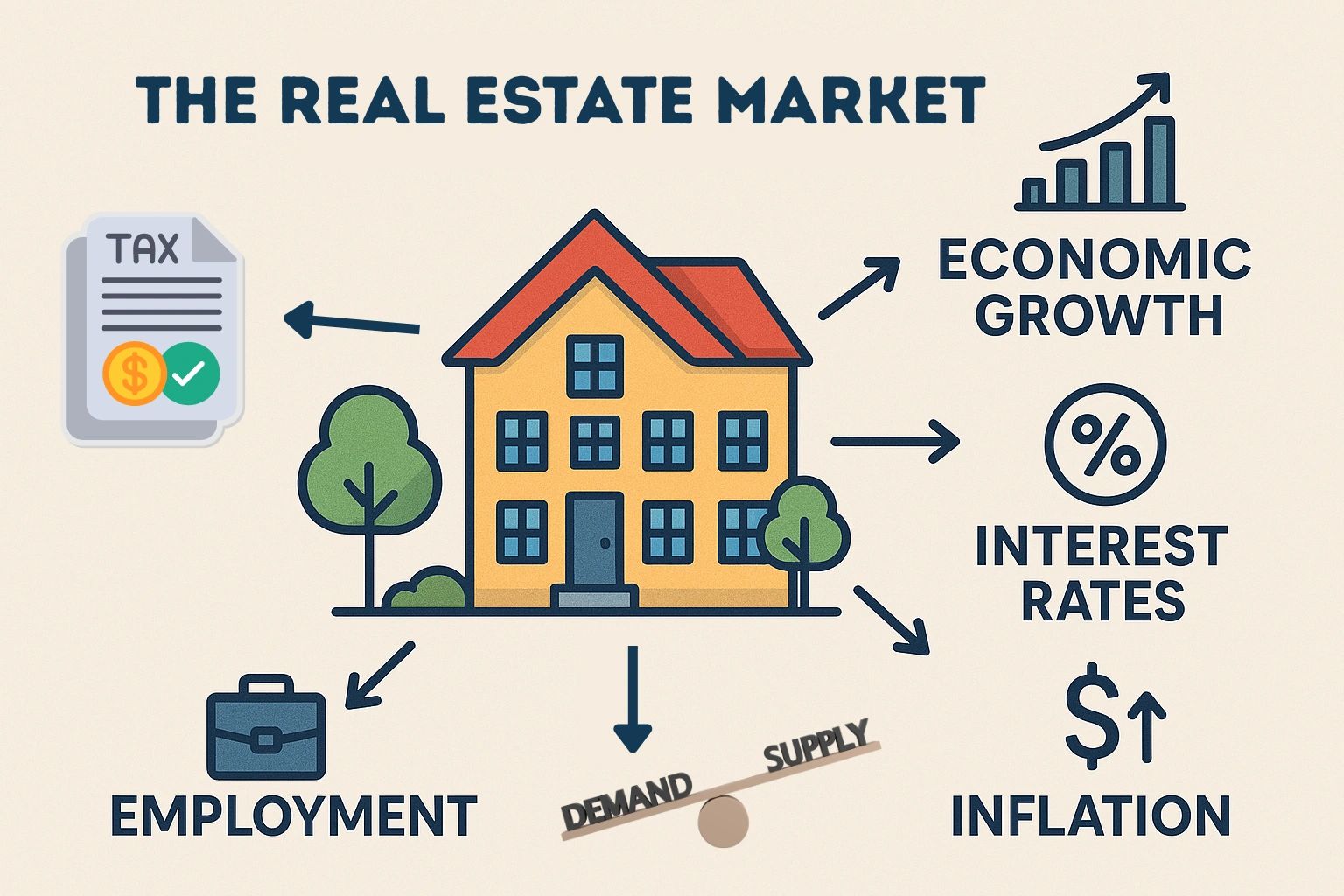
To figure out where the DMV housing market is headed in 2026, let’s look at the main factors influencing real estate trends.
The Economy
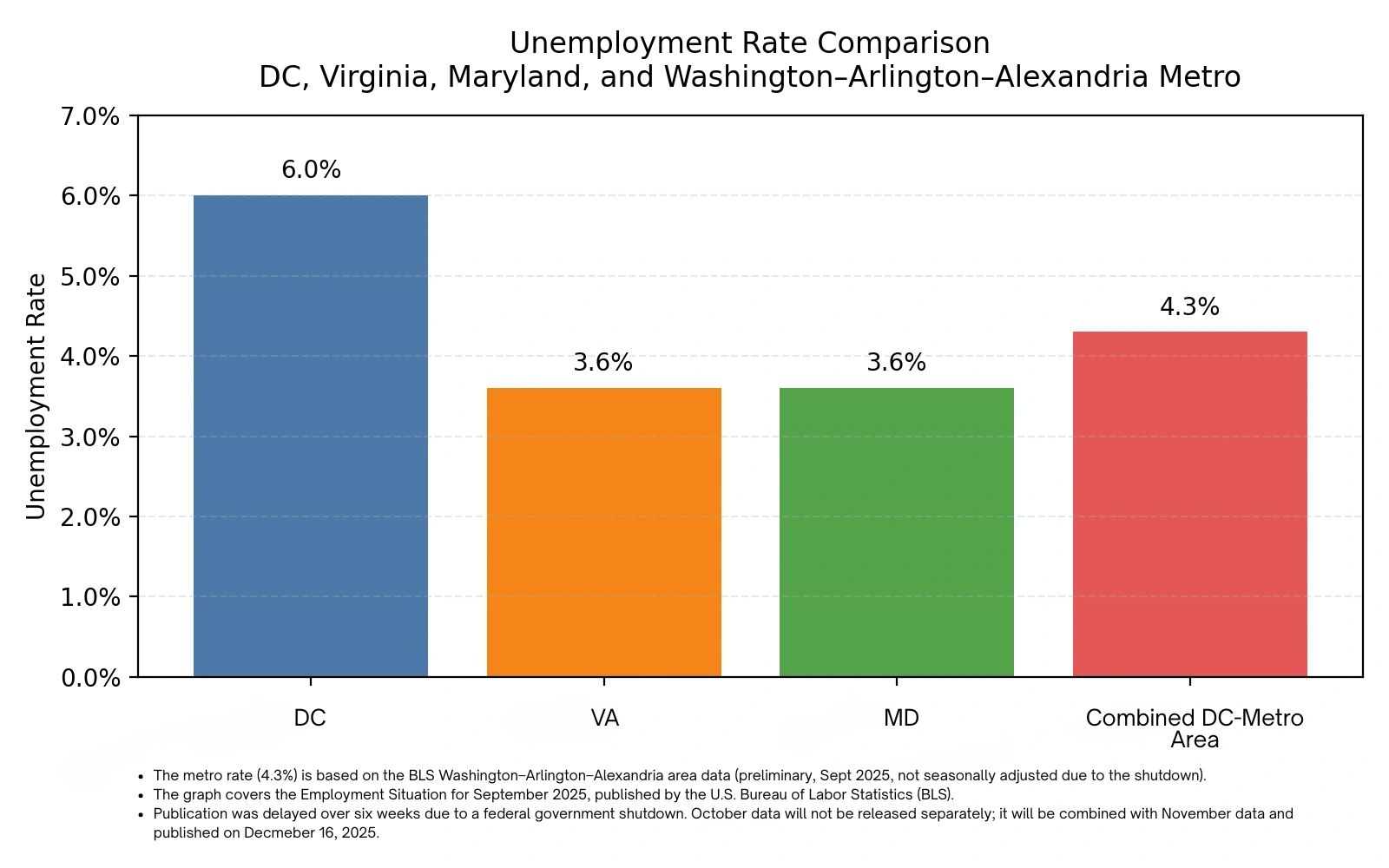
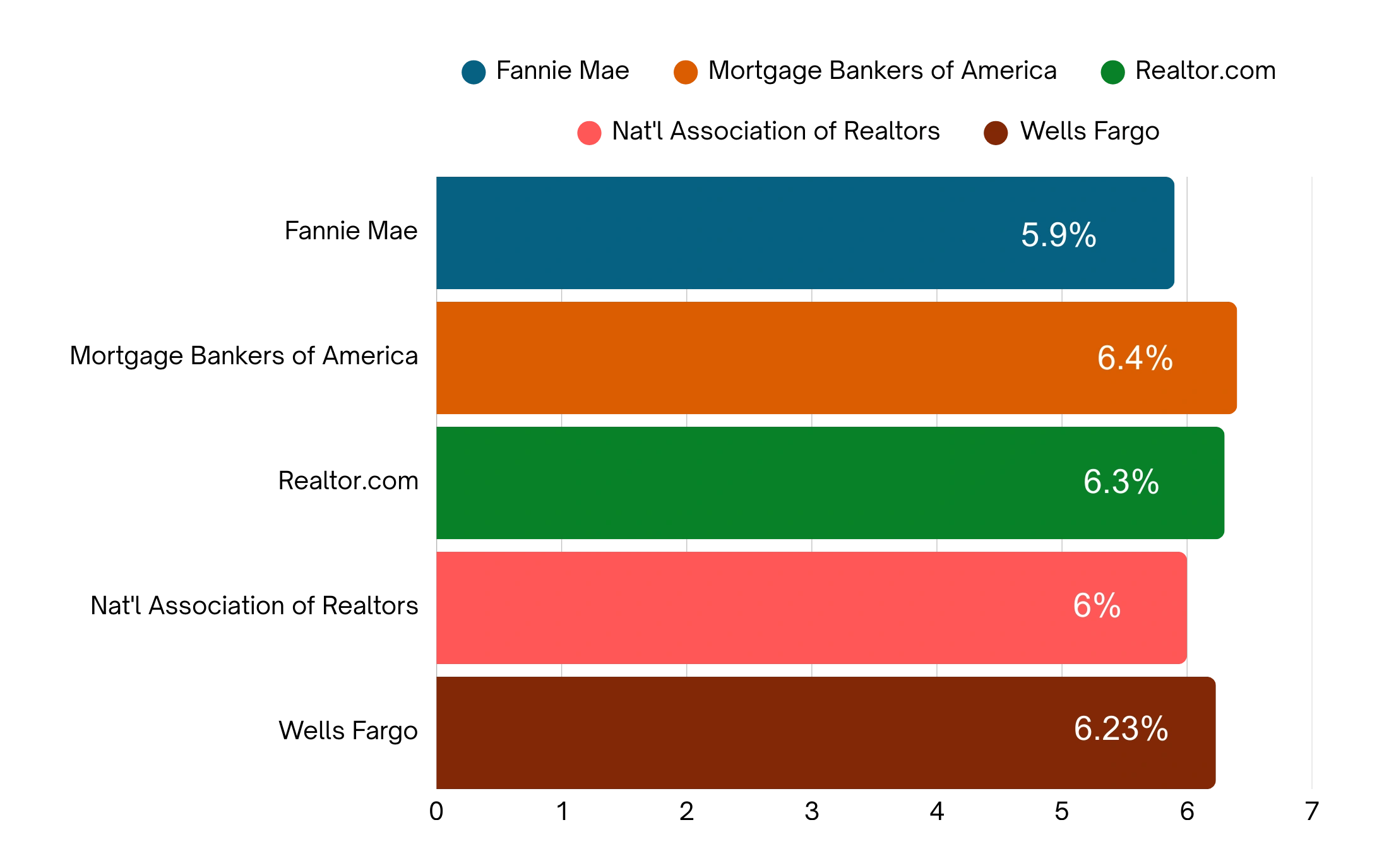
The DMV economy is strong, thanks to government jobs, growing tech industries, and a diverse workforce. Things like job growth, unemployment rates, and interest rates play a big role in the housing market. Unemployment in the DMV is expected to stay low—around 3.5-4% through 2026, according to local economic forecasts. That’s great for new home demand! But if mortgage interest rates rise (many experts suggest rates will remain in the 6% range, gradually declining from current levels, but not falling below 5% unless a significant economic disruption occurs), borrowing could get pricier, which might further cool the DMV real estate market.
Supply and Demand
The DMV area has a housing shortage, especially in popular areas like Arlington, Bethesda, and Northwest DC. When there aren’t enough homes but lots of people want to buy, home prices go up. In August GCAAR statistics recorded fewer homes for sale in 2025 compared to before the pandemic but has noted that the market is “starting to normalize to pre-covid levels” in some respects, such as days on market increasing, but the overall supply of homes remains tight.
In June 2025, there were 20,016 active listings (a 23% increase year-over-year), 6,328 new listings, and 5,553 closed sales. This indicates an increase in the number of homes available for sale compared to previous years. The median sold price for residential properties in the region slightly increased. If the shortage in housing continues, prices could stay high as we head into 2026. But if more new homes are built and we continue to ease into a more balanced market, housing prices could ease up.
Other Factors
Government policies, like tax breaks for first-time buyers or zoning changes for more housing, can make homes more affordable. The DMV’s young crowd—millennials (29-44 years) and Gen Z (18-28 years)—want to buy, but high rents and student loans make it a challenge. Mortgage rates are also important: low rates and ideal credit scores make home buying easier, while higher rates tend to slow down the housing market.
What Can We Learn from Past Housing Trends?
Looking at historical housing trends helps, but it’s not a perfect guide, nor a solid predicter of what’s in store for future housing markets. In 2008, the average U.S. home price dropped by over 20% from their 2006 peak, with the overall market eventually falling about 30% from its peak to its bottom, which was reached in late 2011 – the result of bad loans and foreclosures. DMV home prices dropped 15-20% in some areas. Our local market recovered faster than most places, thanks to its strong job market. Today’s real estate market is different—lending rules are stricter.
What Experts Say About the 2026 Housing Market?
Experts have different takes on the housing market forecast for 2026. Some predict a modest home price growth of 2% – 4%, driven by low housing inventory and steady demand. Others warn that higher interest rates or a slower economy could lead to a slight housing price drop, especially in less busy areas. Any price drops will likely occur in specific neighborhoods, not across the entire DMV real estate market.
Housing affordability challenges will likely slow first-time home buyers in 2026, however, real estate agents in places like Fairfax and Montgomery County expect homes under $800,000 to stay competitive, though the market is showing signs of cooling with increased inventory and more room for buyer negotiations compared to prior years.
Things to Watch for DMV Real Estate Trends
Here are key things to track for the 2026 housing market:
- Job Growth: A strong DMV economy can mean more home buyers. Check updates from the Regional Economic Snapshot.
- Interest Rates: If mortgage rates remain above 5%, home affordability could drop, slowing sales.
- Consumer Confidence: If people feel good about their jobs and money, they’re more likely to buy homes. Look at the Consumer Confidence Index.
- Housing Inventory: GCAAR’s monthly reports show if more homes for sale are available, which could lower home prices.
How the DMV Housing Market Varies by Area
The DMV real estate market differs by area. Here’s a quick look:
- Washington, DC: Neighborhoods like Capitol Hill or Columbia Heights will likely stay pricey due to urban appeal and Metro access.
- Suburban Maryland and Virginia: Places like Prince George’s County or Loudoun County might see softer home prices if new home construction increases or fewer people need to commute.
- Rural Areas: Farther-out spots like Frederick County could see housing prices stall if they’re less tied to job hubs.
Talk to a local real estate agent—they’ll know the local housing market trends in your area.
What If Home Prices Drop?
A decrease in housing prices in 2026 will be awesome for home buyers. A $500,000 house dropping to $450,000 could mean that first-time buyers enter the DMV housing market. But for home sellers, lower real estate prices mean less money. If you owe a lot on your mortgage, a price drop could be stressful.
Tips for Buying or Selling a Home in the DMV
If You’re Buying a Home
- Do Your Research: Use sites like Redfin, Zillow, or housing data to track DMV home prices.
- Consider neighborhoods with good schools or public transit for long-term value.
- Be Patient: waiting for housing prices to drop can save you money. Just make sure you can afford the payments.
- Get Pre-Approved: A mortgage pre-approval shows home sellers you’re serious.
If You’re Selling a Home
- Price It Right: Set a fair price based on your neighborhood’s recent home sales. Overpricing turns off buyers.
- Make Your Home Stand Out: A fresh coat of paint or good home staging can attract home buyers.
- Be Flexible: Offer to cover some closing costs or the buyer’s agent compensation to help close the deal.
Buyers and Sellers should work with real estate agents or financial advisors who know DMV’s housing market.
How to Protect Yourself in the 2026 Real Estate Market
You can’t predict the housing market, but you can be ready:
- Save: Keep an emergency fund with 3-6 months of expenses and manage debt wisely.
- Diversify Investments: Don’t put all your money into your home. Stocks or bonds can balance your finances.
- Stay Informed: Follow GCAAR or Bright MLS for the latest DMV housing market trends.
What Will the DMV 2026 Housing Market Look Like?
The DMV real estate market in 2026 will likely see steady but slower home price growth. Bright MLS predicts housing prices will rise about 2-3%, with areas like Arlington and Bethesda housing market staying hot. First-time home buyers, who made up 35% of DMV home buyers in 2024, will keep demand strong, but housing affordability could be a challenge. A 2025 National Association of Realtors report shows who’s selling:
- Silent Generation: 5%
- Older Boomers: 17%
- Younger Boomers: 21%
- Gen X: 26%
- Older Millennials: 22%
- Younger Millennials: 8%
- Gen Z: 1%
Most home sellers stay in their homes about 11 years, an increase from 5-7 years prior to the pandemic, often selling to relocate or retire. In 2026, younger sellers might be more active if home prices level off and interest rates come down.
Wrapping It Up
The DMV housing market in 2026 will depend on housing inventory, strong job growth, and mortgage rates. Big housing price drops aren’t likely, but some areas might cool off a bit.
Whenever you’re buying or selling a home, stay informed, work with local real estate professional, and plan your budget. Don’t forget to sign up for free housing market updates to keep up with real estate trends in your area.
You’ve got this! 😊
Updated Nov 30, 2025
Have questions about your next move?
Schedule a no-pressure conversation with Wendy and get clear answers for your situation.